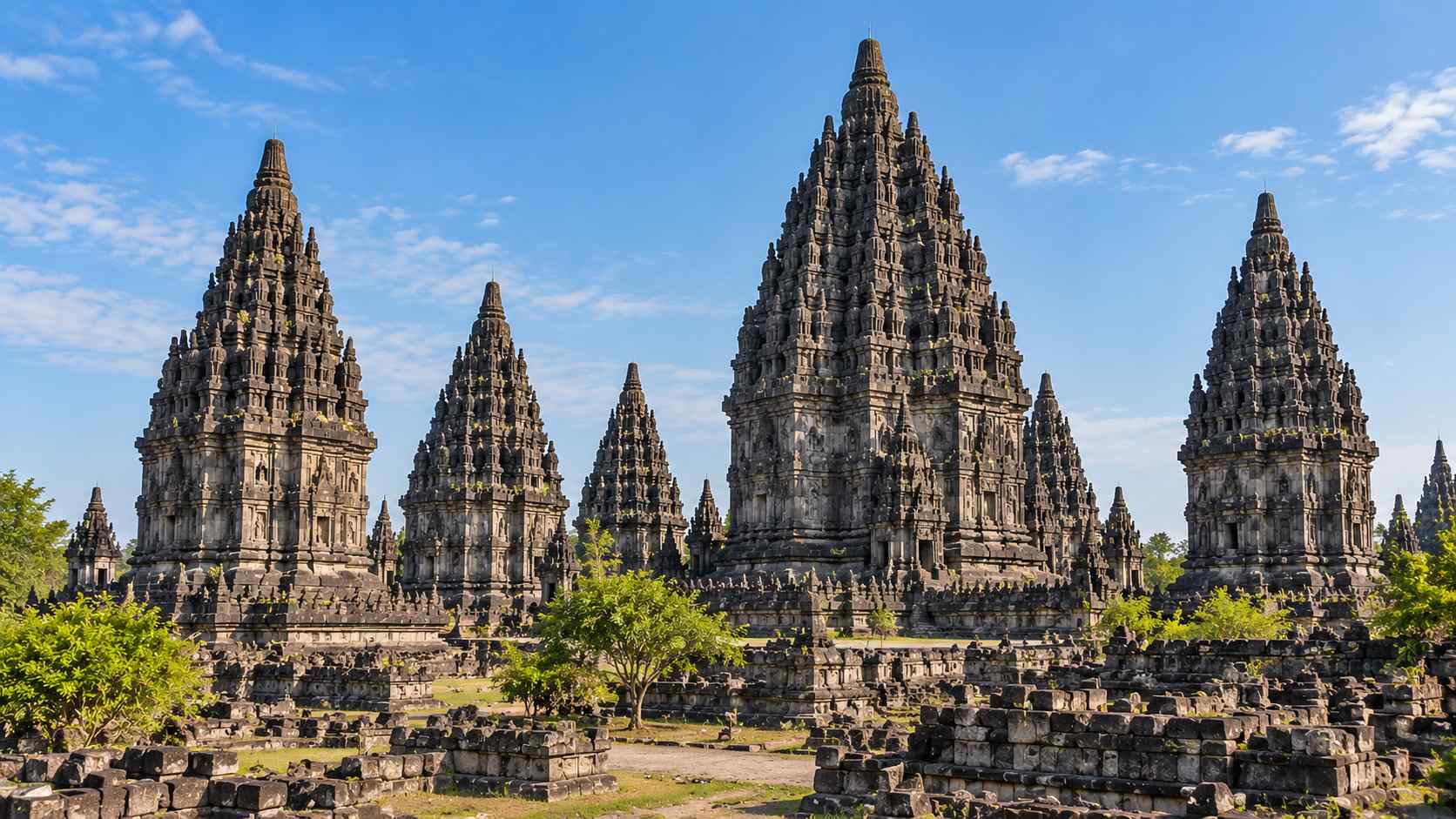
Prambanan UNESCO heritage status confirms the temple’s value to the whole world. UNESCO listed the compound as a World Heritage Site in 1991. However, many visitors never learn what that title means. Therefore, this guide explains why the temple earned recognition, what the status protects, and how travelers can help. Moreover, it shares simple tips for a respectful visit.
What World Heritage Means
A World Heritage Site is a place of outstanding value to humanity. As a result, the international community supports its protection. In addition, the status encourages research, funding, and careful management. For wider background, read this guide on Prambanan temple architecture explained for curious travelers.
Why Prambanan Earned the Title
Several qualities set the compound apart. First, it ranks among the finest Hindu temple complexes in Southeast Asia. Next, its tall towers and sacred layout show advanced design. Moreover, the Ramayana reliefs display remarkable carving skill. Consequently, the site offers both beauty and cultural depth.
Prambanan UNESCO Heritage and Protection
The title brings attention to preservation. Therefore, experts monitor the condition of the stone, the structures, and the surrounding area. In addition, rules limit climbing, touching, and heavy use of fragile zones. Because earthquakes and weather pose real risks, protection remains a constant task.
Support for Restoration
Recognition helps attract funding and expertise. As a result, teams can continue to study fallen stones and rebuild structures. Furthermore, international cooperation shares knowledge across countries. This effort keeps the temple standing for future generations.
Prambanan UNESCO Heritage and the Wider Region
Prambanan does not stand alone. In fact, several important temples and ruins surround it, and many belong to the same cultural landscape. Consequently, protecting the main compound also protects the stories of nearby sites. Moreover, Borobudur, another famous monument in Central Java, also holds World Heritage status, so travelers often visit both in one trip. As a result, the region offers a rich picture of Javanese art and belief.
Community and Culture
The compound is more than a monument. It also supports local communities and living traditions. For example, performances of the Ramayana ballet take place near the temple, so the old story still moves audiences. Likewise, craftspeople, guides, and small businesses benefit from visitors. Consequently, heritage and daily life stay connected.
Why the Title Is Still Earned Today
Recognition is not a one time award. Instead, it depends on ongoing care. Therefore, managers review the condition of the site, update safety plans, and improve visitor rules. In addition, researchers keep studying the carvings and the layout, which reveals new details. Finally, responsible tourism plays a major part, because careful visitors reduce wear and help keep the site safe.
How Visitors Can Help
Small habits protect the site. First, follow signs and staff instructions. Next, avoid touching the carvings, because oils from hands damage the stone. In addition, never climb on structures or leave trash. Besides, choose responsible guides who respect the rules. As a result, every visitor becomes part of the care.
Plan Your Visit with Local Experts
That is why Borobudur Tours can help. Their team offers organized packages, experienced guides, and flexible options for couples, families, and groups. As a result, you can explore with respect and understanding.
Conclusion
Prambanan UNESCO heritage status recognizes the temple’s beauty, history, and fragile condition. Consequently, a thoughtful visit helps protect it. In addition, a guide adds stories that deepen your respect.
Ready to explore? Visit Borobudur Tours today and reserve your trip for a day you will remember.